Your Roadmap for Managing a Lifetime of Belongings
One of the most overwhelming parts of any life transition, whether downsizing, relocating, or managing a loved one’s estate, is the sheer volume of “stuff.” Decades of accumulated furniture, keepsakes, and household goods can feel like an insurmountable mountain. This often leads to decision paralysis, family disagreements, and immense stress. The question of “what to do with parents’ stuff” can stop a transition in its tracks. But it doesn’t have to be this way.
With a clear plan, managing excess items when moving can become a streamlined and even rewarding process. At Thrive Senior Transitions, we transform this daunting task into a manageable journey, applying our world-class change management expertise to the personal process of rightsizing your life.
This guide provides a simple framework for donation and disposal coordination, helping you make confident decisions. We’ll explore practical options for everything from cherished heirlooms to worn-out furniture. Our goal is to help you honor the past while confidently stepping into the future. If you feel overwhelmed, remember that you don’t have to do this alone. A single call to a transition expert can provide the clarity and support you need to get started. Our proven 4-Phase Approach ensures every detail is handled with compassion and efficiency, making the entire process seamless.
The First Step: A Compassionate and Organized Sort
Before you can decide where things should go, you need a clear inventory of what you have. This is the most emotionally and logistically challenging phase, but it is the foundation for a successful transition. Rushing this step often leads to regret and chaos later. The key is to approach it with a structured plan, not as a frantic weekend project. This is where professional guidance can make all the difference, turning a stressful obligation into a meaningful process of preservation and simplification.
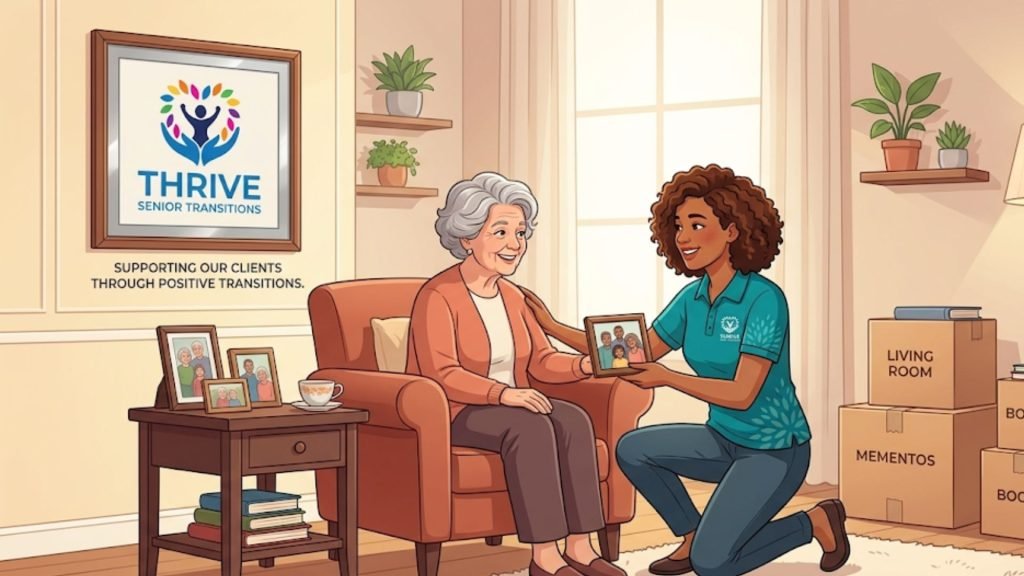
We recommend sorting items into clear, distinct categories. This isn’t about just making “keep” and “toss” piles. A more nuanced approach prevents decision fatigue and helps you see the path forward for each item. This methodical sorting is a core part of ourdownsizing and sorting organization service, where we provide an objective, empathetic hand to guide you through the memories and decisions. It’s about preserving a legacy, not just clearing a house.
Create four main categories to start. Use colored labels or designated zones in a room to keep everything organized:
- Keep: These are the non-negotiable items that will move with you to your new home. This includes essential furniture, cherished heirlooms, and items you use and love regularly. Be realistic about the space in your new residence.
- Gift to Family/Friends: Set aside items that you wish to pass on to specific loved ones. This is a wonderful way to share memories and ensure treasured pieces stay in the family. It’s important to have conversations with family members beforehand to avoid misunderstandings.
- Sell: These are items that have monetary value but that you no longer need. This can range from antique furniture and collectibles to newer electronics and designer goods. We’ll discuss the best ways to sell these items later.
- Donate/Dispose: This category includes everything else. These are items that can bring value to others through charitable donations or things that have simply reached the end of their useful life and need to be disposed of responsibly.
The Emotional Weight of “Letting Go”
It is incredibly common to feel a sense of guilt or sadness when placing items in the donate or dispose piles. Often, we attach the memory of a loved one or a specific life event directly to an object. When you get rid of the object, it can feel like you are getting rid of the memory.
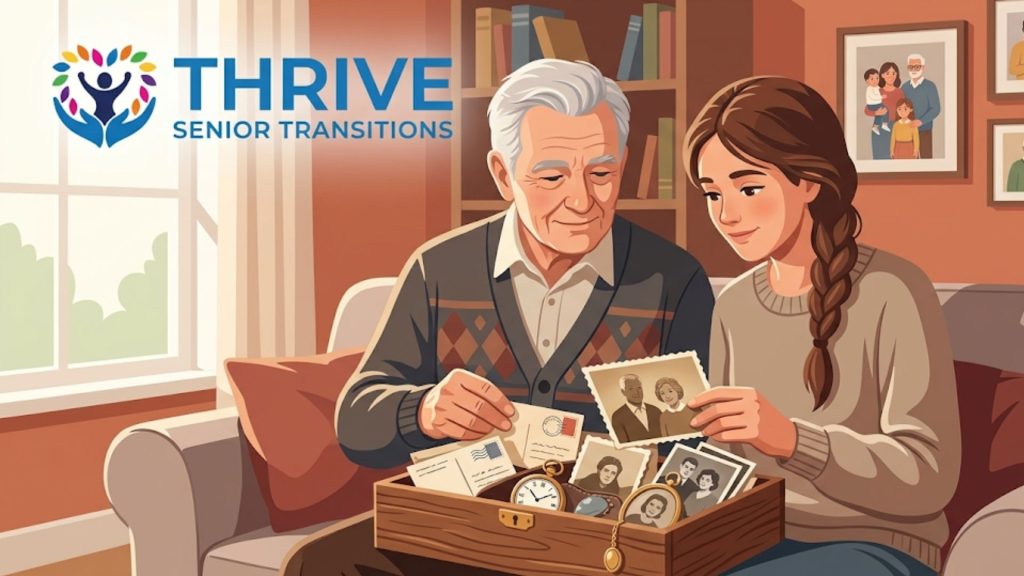
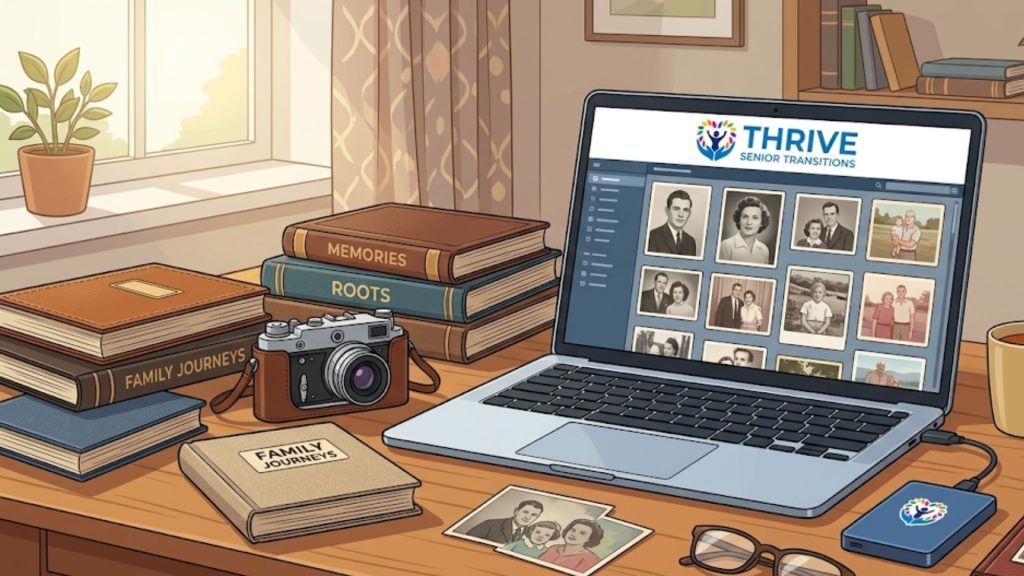
To overcome this, reframe your thinking. The memory resides in you, not the physical item. Passing an item on through donation means giving it a second life where it can create new memories for someone else. For items you simply cannot bear to part with but lack the space to keep, take a high-quality photograph and create a digital legacy album.
Feeling stuck? That’s completely normal. The emotional weight of these decisions is significant. This is why our first step is always a Transition Assessment & Customized Plan. We sit down with you to understand your goals and create a strategic roadmap. This isn’t just about moving boxes; it’s about managing the complex emotions tied to a lifetime of memories. If you’re wondering how to get rid of stuff when downsizing, the answer starts with a plan.
The Power of Donation: Giving Items a Second Life
Donation is a powerful tool in the downsizing process. It allows you to declutter your home while supporting your community and honoring the items that have served you well. Knowing that your gently used furniture or household goods will help another family can make parting with them much easier. Effective donation and disposal coordination starts with identifying what can be reused.
Many organizations offer downsizing donation pickup services, which is a huge logistical advantage when dealing with large items. However, it’s crucial to understand what different charities accept. Most organizations have clear guidelines on their websites about the condition and types of items they can take. Taking the time to research this upfront saves you the frustration of a rejected pickup. This is a key part of the white-glove service we provide for our South Bay Area clients—we manage all vendor communications and scheduling, so you don’t have to.
Where to Donate Furniture and Household Goods
Finding the right home for your items ensures they make the biggest impact. Different organizations serve different needs within the community:
- Goodwill and The Salvation Army: These well-known organizations are fantastic for a wide range of items, including clothing, books, and small household goods. They often have convenient drop-off locations and, in many areas, offer pickup services. (For tax purposes, you can use tools like the Goodwill Valuation Guide to assess the value of your donated items).
- Habitat for Humanity ReStore: If you have furniture, appliances, or building materials in good condition, ReStores are an ideal choice. The proceeds from sales go directly toward building affordable housing in your community.
- Local Shelters and Charities: Women’s shelters, refugee resettlement programs, local furniture banks, and community support programs like the Tolu Foundation are often in desperate need of essential household items.
- Vietnam Veterans of America: This organization offers one of the most convenient donation pickup services. They accept a wide variety of items, including clothing, small furniture, and household goods, and you can schedule a pickup online with ease.
Maximizing Value: How to Sell Parents’ Belongings
For items with significant monetary value, selling is a practical option that can help offset the costs of moving or provide a financial cushion. However, the process of selling can be time-consuming and requires a different kind of expertise. From antique furniture and fine art to collectibles and jewelry, understanding the market is key to getting a fair price.
The approach you take will depend on the type, volume, and value of the items you have. For an entire household, an estate sale may be the most efficient solution. It’s important to set realistic expectations and weigh the time and effort required against the potential financial return.
- Estate Sale Companies: For a full household of items, hiring a professional estate sale company is often the most efficient choice. They handle everything from pricing and staging to marketing and managing the sale itself.
- Consignment Shops: Ideal for high-quality furniture, designer clothing, and home decor. The shop takes a percentage of the sale price, but they handle the marketing and sales process for you.
- Online Marketplaces & Auction Houses: Platforms like Facebook Marketplace, eBay, or dedicated auction houses connect you with serious buyers and collectors, ensuring you get the best possible price for unique, high-demand items.
The Final Step: Responsible Disposal and Junk Removal
After you have kept, gifted, sold, and donated, you will inevitably be left with items that are broken, worn out, or otherwise unusable. This is the final step in clearing a space, and it’s just as important to handle it responsibly. Simply sending everything to a landfill is not only environmentally unsustainable but can also be logistically difficult.
Responsible disposal involves more than just hauling things away. It includes identifying items that can be recycled, such as old electronics (e-waste). We highly recommend adhering to the EPA guidelines for electronics donation and recycling to ensure harmful materials do not end up in our soil and water. Many municipalities also have specific regulations for disposing of mattresses, paint, and chemicals. Navigating these rules can be confusing, but a professional service understands how to handle everything safely and in accordance with local laws.
When you’re faced with what to do with belongings after a move, the last thing you want is a pile of junk cluttering your old or new home. Our donation and disposal coordination service ensures this final step is handled with the same care and professionalism as the rest of the transition. We coordinate with junk removal partners who prioritize recycling and responsible disposal, leaving the property completely clear and ready for its next chapter.
Your Partner in a Seamless Transition
Managing a lifetime of possessions is more than a logistical task—it’s an emotional journey. Whether you are downsizing your own home or helping a parent, the process can feel overwhelming. But you don’t have to manage it alone. At Thrive Senior Transitions, we bring 30+ years of world-class change management experience from companies like Tesla and Microsoft to your personal transition. Our founder, Marianne Borenstein, has built a proven transition model that provides a clear, reassuring roadmap.
Let us handle the complexities of donation and disposal coordination so you can focus on what truly matters: moving forward with confidence and peace. Don’t let the “stuff” hold you back.
Wondering where to begin?
Talk to a Transition Expert today to get your custom plan and discover the Thrive Difference.
Call us at 408-256-2686
Take the Readiness Quiz on our website to see what your ideal transition timeline looks like.