The Emotional Journey of Building a New Home
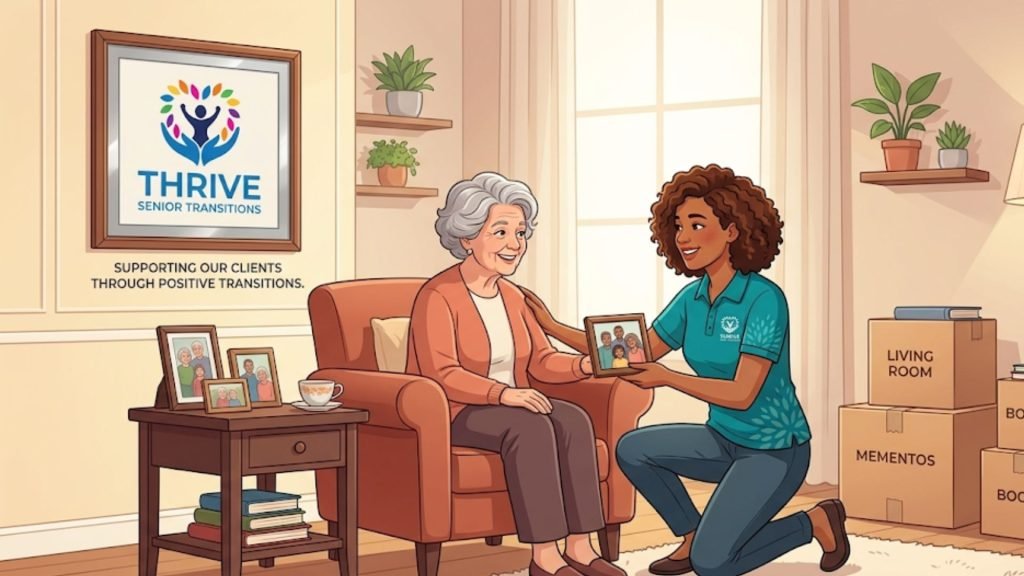
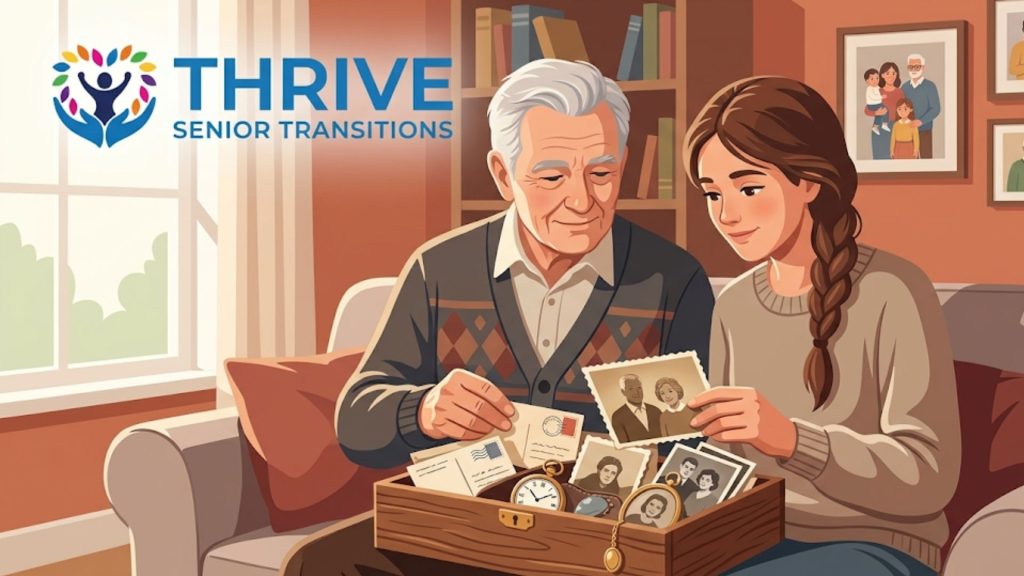
Moving to a new home, especially a senior living community, is a major life transition. While the logistics of downsizing and relocating are significant, the emotional journey of leaving a familiar place and building new social connections is just as important. At Thrive Senior Transitions, we understand that a successful move isn’t just about unpacking boxes; it’s about feeling truly at home and emotionally anchored in your new environment.
Our ongoing support and wellness check-ins are explicitly designed to ensure you don’t just move, you thrive. But how exactly do you take those first steps toward building a vibrant social life? This guide offers actionable tips for turning your new address into a genuine community, transforming you from a “new resident” to a cherished neighbor.
Embrace the Power of a Proactive Welcome
The first few days and weeks in a new environment are crucial for setting the tone of your experience. It can be tempting to stay inside and focus entirely on getting your new space perfectly arranged, but making an early effort at community engagement for seniors can pay huge dividends. A simple smile or a friendly “hello” in the hallway can be the first step toward building lasting friendships.
Remember, many of your neighbors have been in your shoes and intimately understand the feeling of being new. They are often your greatest resource for learning the ropes and feeling connected. Don’t wait for others to make the first move. Take the initiative to introduce yourself to people you see in common areas, at the mailbox, or during community events.
A little proactivity goes a long way in signaling that you are open to connection and ready to become an active part of the community. This initial effort is a key part of successful senior community integration.
Overcoming the Introvert’s Hesitation
It’s entirely normal to feel intimidated by a bustling new community. For introverts, the idea of walking into a large dining hall or a crowded social mixer can feel overwhelming, much like being the “new kid at school.”
If large groups drain your energy, focus on micro-connections. Instead of attending the grand monthly mixer, seek out smaller, quieter settings. Join a small reading circle, participate in a focused art class, or simply find a regular spot in the library at the same time each day. Establishing a routine in a quiet, shared space allows you to naturally cross paths with other individuals who prefer a calmer pace. Meaningful friendships are often built in these quiet, one-on-one interactions rather than in crowded rooms.
Start with Shared Spaces and Interests
One of the easiest ways to meet people is by frequenting the shared spaces in your new community. These areas are designed for interaction and are natural hubs for social activity. Making them part of your daily routine creates regular, low-pressure opportunities to connect with others who share your schedule and interests.
This is a foundational step in getting involved in senior living. Making a habit of visiting these spots will help you become a familiar face and ease you into the social fabric of the community. It’s a simple yet effective strategy for beating loneliness in senior living and fostering a sense of belonging.
- The Dining Hall: Instead of taking your meals in your room, make a point to eat in the communal dining area. Ask if you can join a table with others. Mealtimes are a fantastic, structured opportunity for daily conversation and a simple answer to how to make friends in assisted living.
- The Library or Lounge: Spend time reading or relaxing in the community lounge. These quiet spaces often lead to conversations with fellow readers or those simply enjoying the peaceful atmosphere. Striking up a chat about a book or a current event can be a great icebreaker.
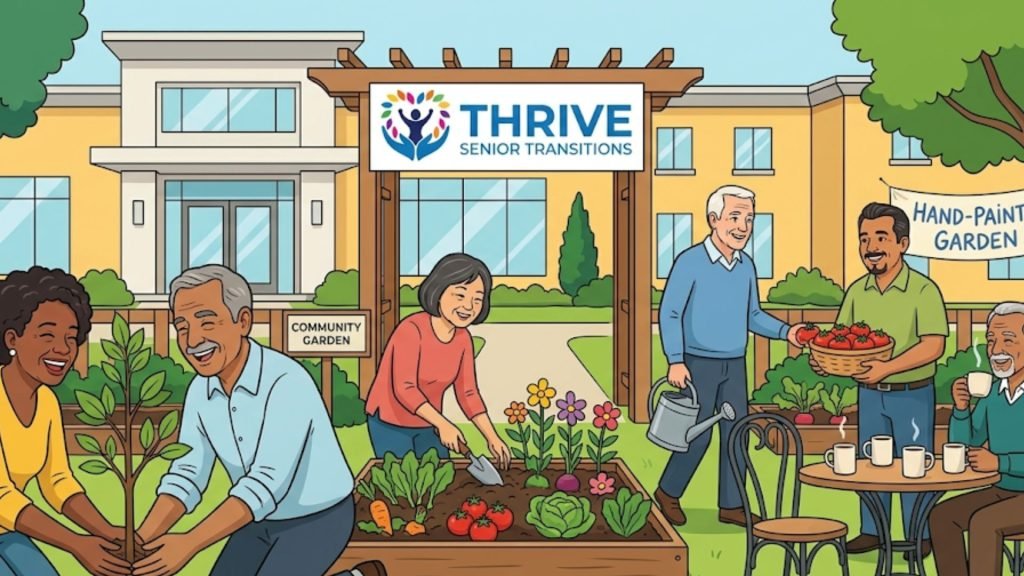
- Outdoor Areas: If your community has a garden, walking path, or patio, make use of it. A simple compliment on someone’s plant or a comment about the weather can open the door to a longer conversation.
Actively Participate in Scheduled Activities
Your new community likely has a full calendar of events and activities designed to bring residents together. This is your roadmap to feeling connected in a new community. Diving into these scheduled events is one of the most direct ways to meet people who share your passions and hobbies. It removes the guesswork of finding common ground and provides a structured setting for interaction.
Don’t just scan the calendar; pick one or two activities that genuinely interest you and commit to attending. Consistency is key. Attending the same club or class each week allows you to build rapport with a regular group of people, moving you from a new face to a familiar friend.
Participating is a direct investment in your own happiness. According to the National Institute on Aging (NIA), strong social participation significantly lowers the risk of health issues like cognitive decline and depression. Explore the calendar and find what excites you:
- Join a Club: Whether it’s a book club, a gardening group, a card game league, or a walking club, joining a group centered on a shared interest is a powerful way to connect.
- Attend Classes: Sign up for a fitness class like yoga or tai chi, an art workshop, or a technology class. Learning something new alongside others creates a shared experience.
- Go to Social Events: Make an effort to attend community-wide events like holiday parties, ice cream socials, or guest lectures.
Bridge the Gap: Invite Family for a “Housewarming”
If you are struggling to break the ice, invite your adult children or close family members to help bridge the gap. Having a familiar, supportive face by your side can significantly reduce social anxiety.
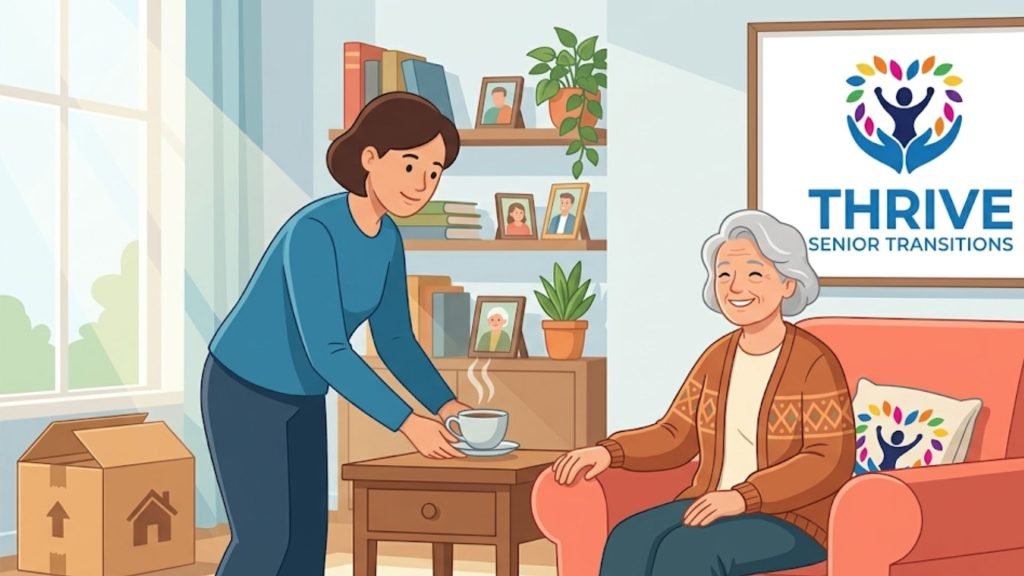
Consider hosting a very small, casual “housewarming” tea in your new apartment, or ask your family to accompany you to your first few dinners in the communal dining room. Family members are often great conversation starters and can help introduce you to neighboring tables. Once the initial introductions are made, it becomes much easier to engage with your new neighbors independently the next time you see them.
Extend and Accept Invitations
Building a community is a two-way street. It involves not only joining in but also creating your own opportunities for connection. As you start to meet people, don’t be afraid to take the next step. Simple, low-pressure invitations can deepen a budding acquaintance into a real friendship.
At the same time, it’s equally important to be open to the invitations you receive from others. Accepting a neighbor’s offer for a cup of coffee or to join them for a walk is a clear signal that you are interested in building a connection. Research highlighted by organizations like AARP proves that robust social networks are vital for both mental and physical health. Every accepted invitation is a step toward a healthier, happier life in your new home.
- The Simple Coffee Invite: After a pleasant chat with a neighbor, try saying, “I’ve really enjoyed talking with you. Would you like to get a cup of coffee in the bistro tomorrow morning?” * The Post-Activity Follow-Up: If you enjoyed a conversation with someone at a book club meeting, follow up. “I loved hearing your thoughts on the last chapter. Maybe we could sit together at the next meeting?”
- The Open-Door Policy: If you feel comfortable, simply leaving your door slightly ajar (when you are home and awake) can signal to neighbors that you are approachable for a quick hello.
Your Partner in Thriving
Making a new place feel like home is a process, and you don’t have to do it alone. At Thrive Senior Transitions, our commitment to you extends far beyond moving day. Our unique Wellness & Thrive Check-Ins are a core part of the post-move phase of our process. We understand that settling in involves social and emotional integration, not just physical unpacking.
We follow up to see how you’re adapting, answer questions about community resources, and provide encouragement as you navigate your new social landscape. Our goal is to be your partner in achieving true wellness and connection for seniors. We leverage our 30+ years of change management experience to provide a holistic, supportive transition from start to finish. If you or a loved one are feeling overwhelmed by the prospect of a move, let us help.
Ready to start a vibrant new chapter?
Talk to a Transition Expert today by calling us at 408-256-2686 to start a no-pressure conversation.
Take the Readiness Quiz on our website. Let us help you make your next chapter your best one yet.