The #1 Error Families Make in a Senior Move Is Waiting
A senior transition—whether it’s downsizing to a smaller home, moving to a retirement community, or adapting a current home for aging in place—is one of life’s most significant changes. For families, the instinct is often to rally together and manage the process themselves. While this comes from a place of love, it often leads to the single biggest mistake: waiting too long to plan.
“The biggest mistake families make isn’t choosing the wrong movers or community—it’s waiting until a transition becomes urgent.”
— Marianne Borenstein, Founder, Thrive Senior Transitions
When families wait, decisions become rushed, emotions run high, and everyone ends up operating in crisis mode instead of with clarity and intention. This lack of foresight is the root cause of many senior transition mistakes, turning what should be a thoughtful new chapter into a period of stress and regret.
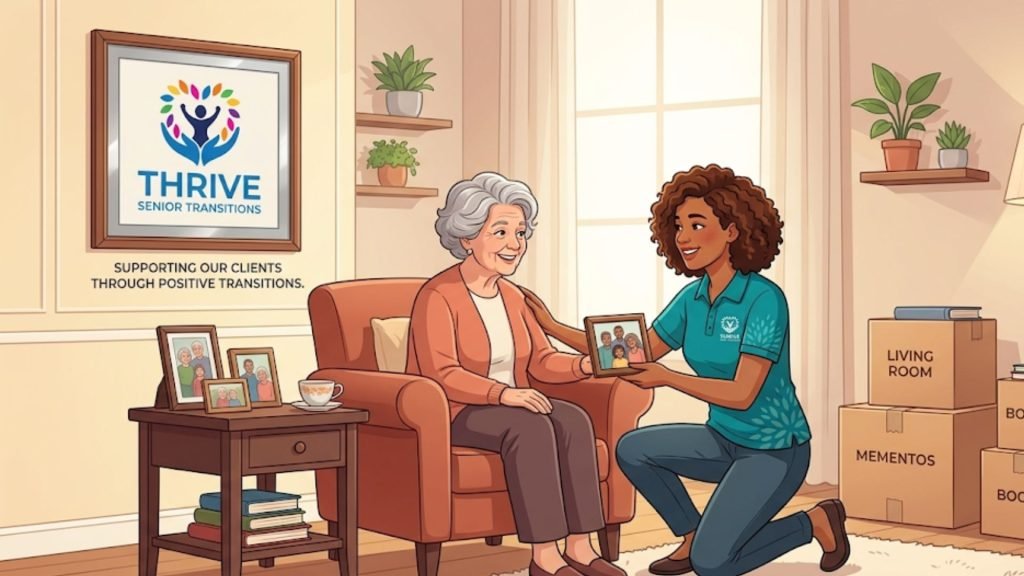
Many families assume moving elderly parents is just a smaller version of a typical move—packing boxes, hiring movers, and setting up a new space. What they underestimate are the decades of memories, the emotional attachment to the home, and the complex family dynamics that surface under pressure. This is where common problems moving elderly parents begin.
At Thrive Senior Transitions, we see this pattern repeatedly. Our founder, Marianne Borenstein, brings over 30 years of world-class change management experience from companies like Tesla, Microsoft, and Disney to senior transitions—because a successful move isn’t just logistical, it’s emotional and relational.
The High Cost of “Doing It Yourself”
Without a professional senior transition project plan, families often experience unintended consequences—financially, emotionally, and relationally.
Emotional Stress and Overwhelm
Leaving a longtime home can feel like a loss of identity and independence for seniors. For adult children, it often triggers role reversal, anticipatory grief, and decision fatigue.
“A senior move is never just a physical relocation. It’s a psychological transition that touches identity, independence, and legacy.”
— Marianne Borenstein
Research strongly supports this. A study published in the Journal of Housing for the Elderly found that nearly 78% of older adults experience grief-related symptoms when downsizing, including anxiety, sadness, and sleep disruption.
Additionally, a peer-reviewed article in BMC Geriatrics highlights that relocation stress in older adults is closely associated with declines in mental health, including increased anxiety and depression, particularly when moves are rushed or unplanned.
Without a clear plan, families face constant uncertainty:
What do we keep? What do we let go? Who decides?
This prolonged stress can take a serious toll on everyone’s well-being.
Family Conflict and Strained Relationships
One of the most painful downsizing mistakes is assuming the whole family will naturally agree. Siblings often have different opinions about possessions, care needs, timelines, and finances.
“Transitions tend to amplify existing family dynamics. Without a neutral guide, conversations can quickly become emotionally charged and deeply personal.”
— Marianne Borenstein
Common friction points include:
- Disagreements over sentimental or valuable possessions
- Unequal distribution of emotional and physical labor
- Conflicting views on the right living situation or level of care
Research published on PubMed shows that involuntary or poorly planned relocations can negatively impact older adults’ life satisfaction and emotional stability, further increasing family stress.
A neutral, third-party expert helps families navigate these decisions calmly—before conflict damages long-term relationships.
Costly Logistical and Financial Errors
Managing a senior move without experience often leads to:
- Damaged furniture or lost valuables
- Emergency storage or last-minute service fees
- Valuable items being discarded unintentionally
Without guidance, families may unknowingly turn a home full of assets into a financial burden instead of a resource.
The Solution: A Strategic, Compassionate Plan
The most effective way to avoid senior transition mistakes is replacing chaos with clarity.
At Thrive Senior Transitions, we apply Fortune-500-level project management to a deeply personal process—ensuring no detail (or emotion) is overlooked.
The Power of a Customized Senior Transition Project Plan
We begin with a Transition Assessment & Customized Plan, tailored to your family’s goals, timeline, and dynamics. This roadmap:
- Breaks an overwhelming process into manageable steps
- Keeps family members aligned and informed
- Anticipates challenges before they become crises
Your plan becomes a shared reference point—reducing miscommunication, stress, and conflict.
Expert Guidance Through Every Phase
A plan is only as good as its execution. We provide the expert guidance to navigate the most difficult parts of the process, particularly downsizing. We transform the dreaded task of “getting rid of stuff” into a respectful process of simplifying, decluttering, and preserving a legacy. We provide an objective, compassionate framework for making tough decisions, helping your parent honor their memories while preparing for their future.
Our proven 4-Phase Approach provides a clear structure:
- Reimagine: We start by helping you and your loved ones envision the ideal future, set goals, and focus on the positive aspects of the change to build excitement and reduce stress.
- Rightsize: We provide leadership and hands-on support to vigorously sort through belongings, helping to preserve necessary keepsakes and guide the donation, sale, or gifting process.
- Reclaim/Relocate: We manage all the logistics of rightsizing to improve the current home or manage a move itself, from overseeing movers to unpacking and setting up the new or refreshed space to be safe and comfortable from day one.
- THRIVE!: Our commitment doesn’t end on moving day. We offer ongoing support and check-ins to ensure you or your loved one is settling well and truly thriving in their new environment both physically and socially.
From Overwhelmed to Empowered
Ultimately, the solution to avoiding stress during a senior move is proactive, expert planning. Engaging a professional senior transition manager doesn’t replace family involvement—it elevates it. You’re freed from logistics so you can focus on what truly matters: supporting your loved one emotionally.
Instead of logistical headaches, you can spend your time sharing memories. Instead of feeling stressed and exhausted, you can feel confident and prepared. That’s the “Thrive” difference. Take the first step towards a peaceful, dignified, and successful transition today.
Ready to avoid the common pitfalls?
Ready to avoid the common pitfalls and create a smooth transition for your loved one? Talk to a Transition Expert for your complimentary consultation. Let us show you how a customized plan can make all the difference.
- Call/Text Us at 408-256-2686
- Take the Readiness Quiz on our website to get started.