Why Decluttering is the First Step to Senior Safety
For many seniors, a home is a cherished space filled with a lifetime of memories and possessions. But as we age, the very things that bring us comfort can inadvertently create hazards. The process of decluttering isn’t just about creating a tidy space; it’s a crucial first step in structuring spaces for safety and ensuring long-term independence. At Thrive Senior Transitions, we see this as the foundation of helping seniors thrive in place, applying our 30+ years of world-class change management experience to make the process both seamless and dignified.
Over time, accumulated belongings can narrow hallways, obscure trip hazards, and make it difficult to navigate with a walker or wheelchair. According to the Centers for Disease Control and Prevention (CDC), falls are a leading cause of injury for older adults, and environmental hazards in the home are a primary contributor.
This is where age-in-place decluttering becomes a vital tool for fall prevention. By strategically organizing and simplifying a living environment, we can significantly reduce risks and enhance senior accessibility organization. It’s about transforming a home from a storage space for the past into a safe, functional environment for the future.
Navigating the Emotional Hurdle of Decluttering
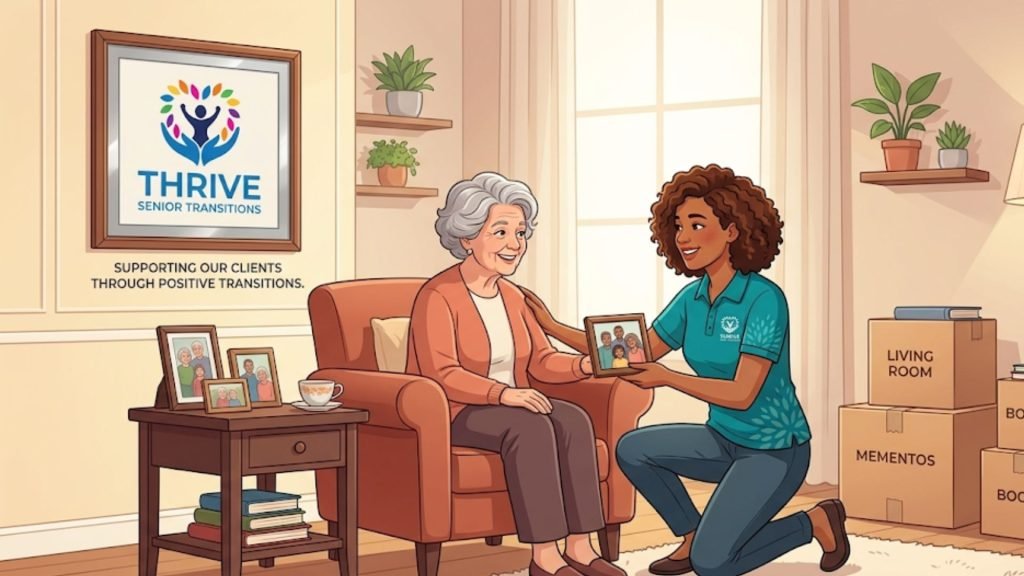
Before tackling the physical items, it’s essential to address the emotional weight of decluttering. Getting rid of possessions often feels like discarding memories, which can cause intense decision paralysis. Families often make the mistake of rushing this process, leading to friction and resistance.
This is why professional downsizing and organization requires a compassionate, structured approach. Instead of focusing on what is being “thrown away,” reframe the conversation around what is being gained: safety, peace of mind, and the ability to live independently for longer. By preserving truly meaningful heirlooms and letting go of the rest, you are taking control of your environment.
Here are the 10 most effective ways to structure a home for senior safety:
1. Establish Clear Pathways for Mobility
The most immediate way to improve home safety is to create unobstructed pathways. This is especially critical for individuals using walkers, canes, or wheelchairs. Cluttered hallways and rooms force awkward movements, dramatically increasing the risk of a fall. Clear pathways in the home should be a top priority.
Start by measuring the main walkways in your home. A good rule of thumb is to have at least 36 inches of clear space in hallways and between furniture. This ensures there is ample room for mobility aids and reduces the chance of bumping into objects. This simple act of structuring spaces for safety can make a world of difference in daily confidence and mobility.
2. Remove Trip Hazards from the Floor
Floors that appear safe at a glance can hide numerous dangers. A comprehensive home safety for seniors checklist must begin with identifying and eliminating anything that could cause a trip or slip. This is one of the most effective ways to remove trip hazards for elderly residents and prevent serious injuries.
Take a systematic walk through each room, paying close attention to the floor. Look for things that don’t belong and address common culprits that compromise safety:
- Throw Rugs: Small, unsecured rugs are a leading cause of falls. Remove them entirely or secure them firmly with heavy-duty, double-sided tape.
- Electrical Cords: Never run cords across walkways. Reroute them along walls or use cord covers to secure them safely to the floorboard.
- Clutter and Piles: Stacks of magazines, books, or shoes must be cleared from walking areas. Assign permanent homes for these items completely off the floor.
3. Organize Closets and Cabinets for Easy Access
Reaching for items stored too high or too low can lead to loss of balance and potential falls. Organizing for senior accessibility means placing the most frequently used items within easy reach—ideally between waist and shoulder height. This simple change minimizes the need for step stools or bending down, which can be strenuous and risky.
Go through closets, kitchen cabinets, and pantries. Move everyday dishes, food items, and clothing to these accessible zones. Items used less frequently can be stored on higher shelves or in lower drawers. This proactive approach to senior accessibility organization makes daily routines safer and less physically demanding.
4. Improve Lighting to Enhance Visibility
Good lighting is non-negotiable for senior safety. Dimly lit rooms can hide trip hazards and make it difficult to judge distances. As we age, our eyes need more light to see clearly, so enhancing illumination is a key part of making a home safe for seniors.
Ensure every room, hallway, and staircase is well-lit. Consider adding nightlights in hallways, bathrooms, and bedrooms to ensure safe passage during the night. Use higher-wattage bulbs where appropriate and add task lighting in areas like the kitchen or reading nooks. According to the National Council on Aging (NCOA), improving lighting is one of the most immediate and critical steps in overall fall prevention.
5. Secure the Bathroom for Confidence
The bathroom is one of the most common places for falls to occur due to wet surfaces and tight spaces. Decluttering this area is essential for safety. Remove any unnecessary items from the floor and countertops to create more space for maneuvering.
A clear, organized bathroom is a safe bathroom. Ensure essentials are within easy reach from the tub or toilet to avoid risky stretching:
- Clear the Floor: Remove decorative rugs, scales, and laundry baskets from walking paths. Use a single, high-quality non-slip bath mat.
- Tub and Shower: Keep only essential items in the shower. Use a shower caddy to prevent bottles from cluttering the floor or tub edges.
- Countertops: Store medications and toiletries in a medicine cabinet or drawers to keep counter space clear and visually calm.
6. Create a Safe and Accessible Kitchen
The kitchen is the heart of the home, but it can also present numerous hazards. Decluttering countertops not only creates a more pleasant cooking environment but also reduces the risk of accidents. Clear surfaces prevent items from being knocked over near hot stoves and make cleaning much easier.
Focus on organizing for senior accessibility. Keep frequently used appliances on the counter and store heavier items in lower cabinets to avoid strenuous lifting. Ensure there is a clear, wide path to the stove, sink, and refrigerator.
7. Adapt Furniture Layout for Open Space
The arrangement of furniture plays a significant role in home safety. A crowded room can be an obstacle course, especially when navigating with mobility aids. The goal is to create an open layout that allows for easy movement and reduces the risk of bumps and falls.
Evaluate each room and consider removing non-essential pieces of furniture. Ensure there is a clear, wide path through the room and that chairs and sofas are easy to get in and out of (avoid overly soft or low-sinking couches). Sometimes, simply rearranging the furniture can dramatically improve accessibility in the home.
8. Decluttering for Emergency Preparedness
In an emergency, every second counts. Clutter can block exits and make it difficult for first responders to enter the home and provide assistance. A key part of decluttering for senior safety is ensuring that all doorways, windows, and hallways are clear and unobstructed.
Keep areas around doors free of furniture, boxes, and other items. Make sure emergency contact numbers and important medical information are posted in a visible and easily accessible location, such as on the refrigerator.
9. Simplify and Organize Medication Stations
Managing multiple medications is a common reality for many seniors, and an organized system is crucial for safety. A cluttered or disorganized medication area can lead to confusion and dangerous errors. Designate one specific, well-lit spot for all medications and medical supplies.
Use a pill organizer to manage daily doses and keep a clear, updated list of all medications, dosages, and prescribing doctors. Store this list with the medications. Simplifying this one area can prevent serious health risks and provide immense peace of mind.
10. The Thrive Approach: A Plan for a Safer Future
Knowing where to start with decluttering can be overwhelming. At Thrive Senior Transitions, we apply a proven, 4-Phase Approach—Reimagine, Rightsize, Relocate, THRIVE!—to guide you through the process. Our founder, Marianne Borenstein, brings over 30 years of complex transition management experience to help you create a customized plan.
We understand this is more than just moving boxes; it’s about managing the emotional and logistical challenges of change. Whether you need hands-on help or a strategic roadmap, our expertise ensures a dignified and stress-free experience.
Ready to create a safer, more accessible home?
If you are feeling overwhelmed by the thought of decluttering, it’s time to get expert guidance. Talk to a Transition Expert today and take the first step toward a safer, more comfortable home.
Call/Text Us at 408-256-2686
Take the Readiness Quiz if you’re unsure where to begin to get a clearer picture of your family’s needs.