Honoring a Lifetime of Memories
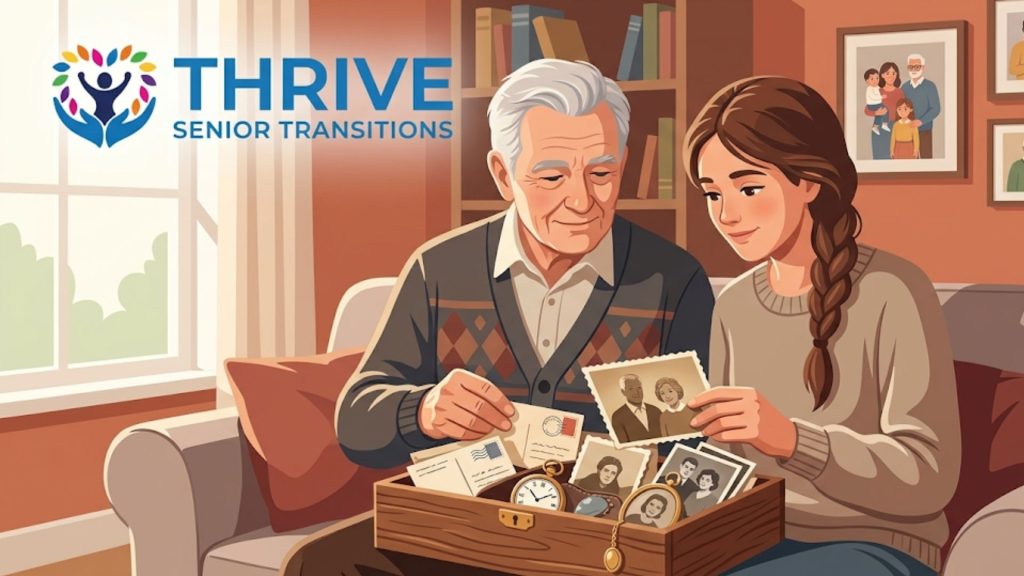
The process of downsizing is often framed as a purely logistical challenge: what fits and what doesn’t. But standing in a home filled with decades of memories, you know it’s not just about the “stuff.” Each item represents a piece of your life’s narrative, and letting go of possessions can sometimes feel like letting go of the memories themselves.
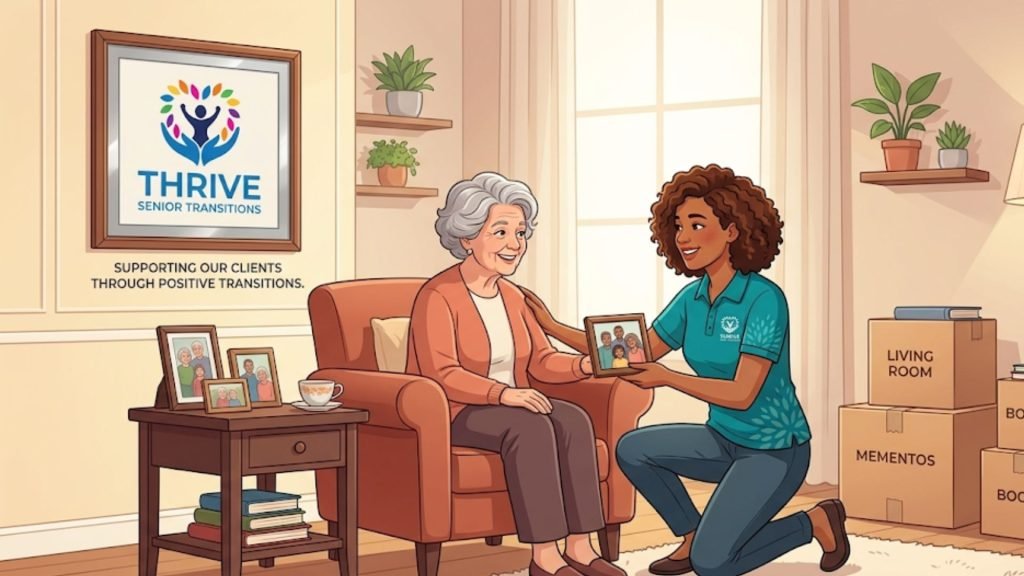
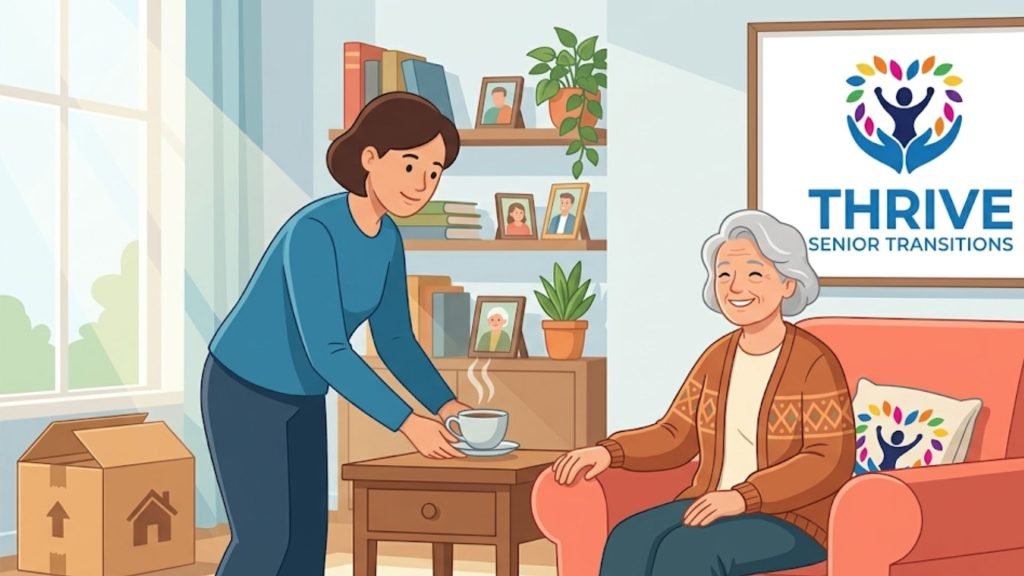
At Thrive Senior Transitions, we understand that this is more than a move; it’s a profound life transition. Applying over 30 years of world-class change management experience from companies like Tesla and Microsoft, our founder, Marianne Borenstein, utilizes a proven, empathetic methodology to help families navigate these complexities. We are here to provide emotional support for seniors moving, transforming a potentially overwhelming task into a meaningful experience of curating your legacy.
The Weight of “What If?” and “I Should”
One of the biggest hurdles in downsizing is the internal monologue of guilt and obligation. You might find yourself thinking, “My children will want this someday,” or “I should keep this, I might need it.” These thoughts create a heavy burden, turning your home into a storage unit for other people’s potential futures or highly unlikely “what-if” scenarios. This is a common aspect of coping with downsizing, where the fear of regret leads to severe decision paralysis.
It’s time to release that pressure. The truth is, younger generations often have different tastes, smaller homes, or more minimalist lifestyles, and holding onto items out of obligation only serves to create physical and emotional clutter. Helping parents let go of items must start with open, honest, and sometimes difficult conversations about what adult children actually want to inherit. Freeing yourself from the “shoulds” allows you to focus entirely on what truly matters: choosing what fits in your new life, not what fits someone else’s expectations.
Managing the Guilt of Gifts and Obligations
Perhaps the most difficult items to part with are those given to us by people we love. We often equate keeping a gift with loving the giver. But it’s vital to separate the relationship from the object. A gift has already served its primary purpose the moment it was given: to show love and appreciation.
If an item no longer brings you joy, or if it simply doesn’t fit into your downsized lifestyle, keeping it out of guilt will only cause you daily stress. To overcome this, practice a “Gratitude Release.” Hold the item, briefly thank the object (and the giver) for the love it represented at the time, and then give yourself the grace to let it go. By donating it, you are allowing that item to become a blessing to someone else who genuinely needs it, rather than letting it gather dust in the back of a closet.
A Practical Approach to an Emotional Process
So, how do you decide what to keep when downsizing? The key is to create a framework that honors both your heart and your new floor plan. It’s about balancing the sentimental with the practical. Instead of asking, “Can I live without this?” try asking, “Does this support the life I want to live now?” This shifts the focus from loss to empowerment.
The “One-Touch” Rule
When dealing with sentimental clutter, it is very easy to pick an item up, reminisce, feel overwhelmed, and put it back down to “deal with later.” This wastes emotional energy. Implement the project-management “One-Touch” rule: once you pick an item up, you must make a decision about its future (Keep, Donate, Gift, or Discard) before you put it down. This builds momentum and prevents you from simply shuffling clutter from one room to another.
Start small. Choose one drawer or even just one corner of a room to begin. As you pick up each item, allow yourself a moment to connect with the memory it holds, make your decision, and move forward. Remember, this is your journey, and you set the pace.
Sorting with Heart: Strategies for Sentimental Items
When faced with a lifetime of belongings, the task of sorting can feel monumental. Downsizing sentimental items requires a different approach than simply decluttering a messy garage. It’s a process of careful curation.
To navigate this efficiently, yourdownsizing and sorting system should reflect the nuances of your feelings. It transforms the question from a simple “yes or no” to a thoughtful “how does this serve my future?”
The “Memory Box” Method
For those deeply sentimental items that you can’t bear to part with but don’t have space to display in a smaller apartment, the “Memory Box” method is a powerful tool. This isn’t about hiding things away; it’s about creating a treasured archive.
- Select a Container: Choose one or two high-quality, archival-safe boxes. The physical limit of the box provides a natural boundary, forcing you to prioritize what is truly most important.
- Curate Your Collection: As you sort, place only the most meaningful items into the box. This could be a baby’s first shoes, a collection of love letters, or a few key photographs.
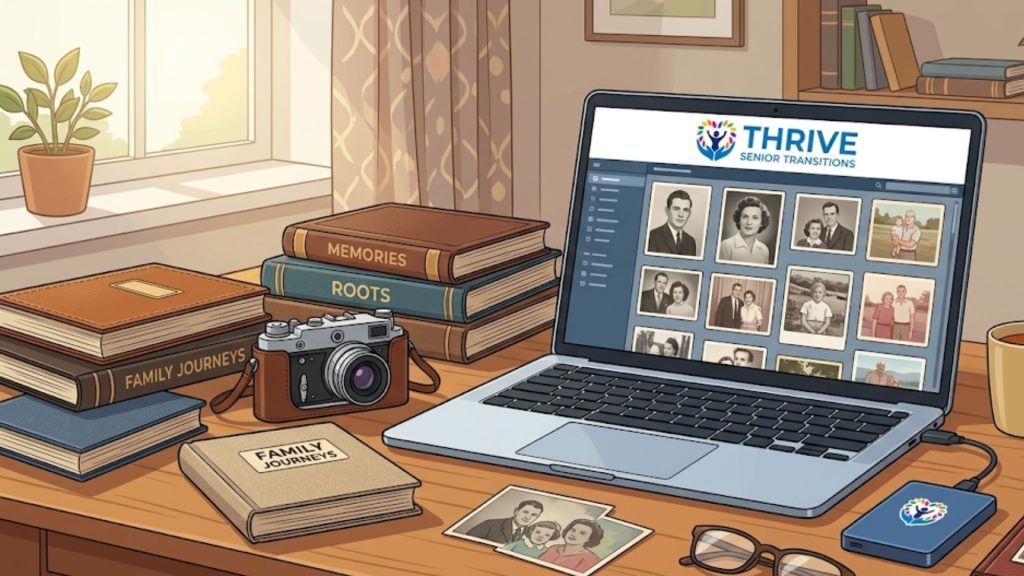
- Digitize and Share: For items like bulky photo albums, school projects, or oversized artwork, consider taking high-resolution photos. Through dedicated heirloom and memory preservation, you can create a digital photo book to share with family, keeping the stories alive without taking up extra square footage.
The “Living Legacy” Approach
Letting go of possessions is profoundly easier when you know they are going to a place where they will be valued. We highly recommend the “Living Legacy” approach. Instead of leaving items in a will, consider gifting them to your family and friends now.
This reframes downsizing as an active, joyous act of generosity. You get the unique pleasure of seeing your loved ones enjoy the heirlooms, furniture, or jewelry that you have cherished. According to the American Psychological Association (APA), maintaining strong social and familial connections is vital for well-being in later life, and passing down family history while you can still tell the stories attached to the items is a beautiful way to strengthen those bonds.
Designing Your Future: What Fits in Your New Life?
The ultimate goal of downsizing is not just to live in a smaller space, but to live a larger, more vibrant life—one with more freedom, less home maintenance, and more time for the activities you love. This requires a mental shift from thinking about what you are losing to focusing on what you are gaining.
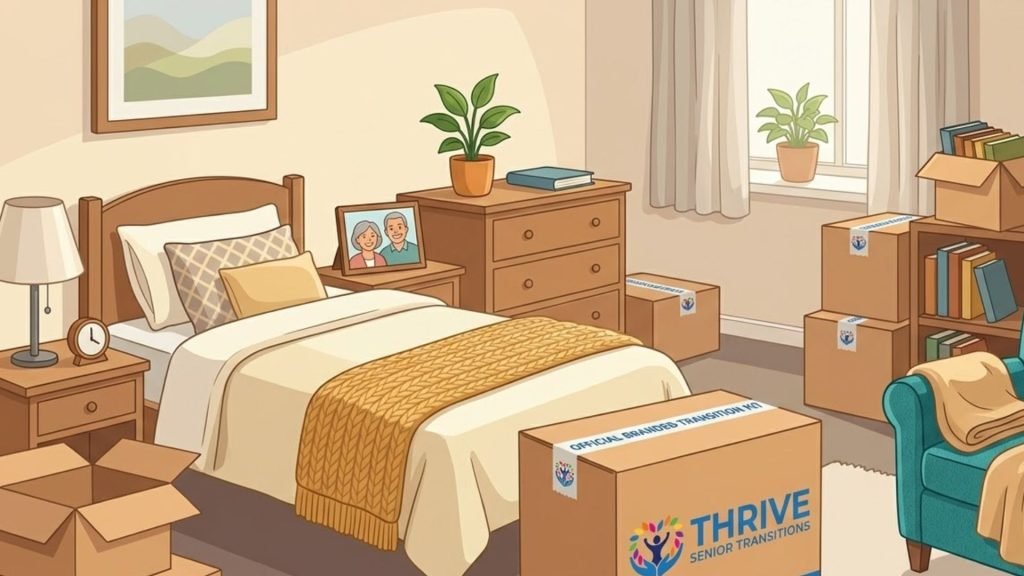
Think about your daily routines in your new Independent Living community or rightsized home. If you love to read, prioritize keeping your favorite books and a cozy reading chair. If you plan on taking advantage of community dining and social events, you may not need your formal dining set or dozens of serving platters.
The Freedom of “Less”
Living with less stuff has a profound, scientifically backed psychological impact. It reduces daily stress, simplifies cleaning, removes tripping hazards, and frees up mental energy. According to the Mayo Clinic, physical clutter is directly linked to higher levels of cortisol (the stress hormone). When your environment is clear, organized, and accessible, your mind tends to follow suit.
This newfound freedom allows you to focus your resources—your time, money, and energy—on experiences rather than things. The emotional side of downsizing is undeniably challenging, but the reward is a life that is lighter, safer, and more aligned with what truly brings you joy today.
If you are feeling overwhelmed by the thought of this process, you are not alone. The journey of letting go is complex, but you don’t have to do it by yourself. Our team is here to provide expert change-management guidance and compassionate support every step of the way.
Ready to step into a lighter, brighter future?
Talk to a Transition Expert today to see how we can help you create a home that truly fits, both physically and emotionally.