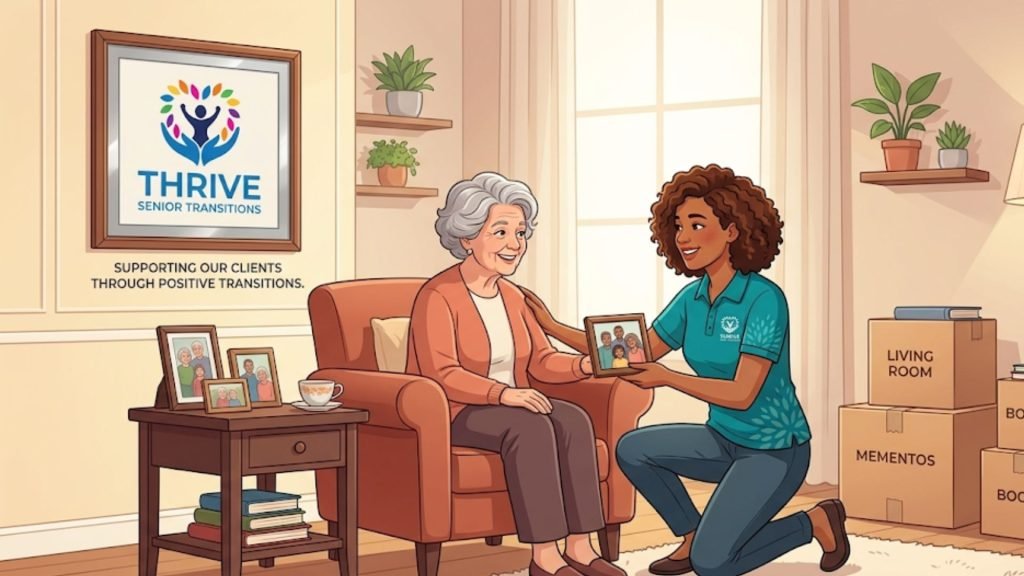
Preparing for a Compassionate Conversation
The thought of talking to parents about moving can feel overwhelming. It’s a conversation layered with love, concern, and years of history. You see the warning signs—the yard becoming too much to handle, the stairs growing steeper, or a quiet loneliness creeping in. You want what’s best for them, but the words get stuck. This isn’t about forcing a decision; it’s about starting a gentle, collaborative exploration of the future. The goal is to replace fear and uncertainty with a shared sense of purpose and a plan for what’s next.
Before you say a word, the most crucial step is to prepare emotionally and practically. This isn’t a quick chat but the beginning of an ongoing dialogue. Your role is not to dictate but to listen and understand. Think about your parents’ personalities, their fears, and what they value most. Are they fiercely independent?Deeply attached to their home and neighbors? Worried about losing control? Answering these questions will help you frame the conversation with empathy and respect, ensuring they feel heard and valued, not managed.
Navigating Sibling Disagreements First
This is the time for a family conversation about senior care, but it starts with you and your siblings. Before approaching your parents, you must ensure the adult children present a united, supportive front.
Family dynamics often complicate senior transitions, especially if one sibling lives out of town while another handles the daily caregiving. Hold a private, siblings-only meeting to discuss concerns, align on the core message, and distribute responsibilities. If your parents sense friction or mixed messages among their children, it can dramatically increase their anxiety and cause them to resist the idea entirely.
Agree on the core message: “We love you, we are concerned, and we want to explore options together to make your future safer, easier, and more enjoyable.” This unity transforms the conversation from a confrontation into a circle of support.
Setting the Stage for a Successful Talk
Timing and setting are everything when discussing senior living with parents. Don’t ambush them after a stressful doctor’s appointment or during a chaotic family holiday. Choose a calm, quiet time when no one is rushed or distracted. A neutral, comfortable space is often best, perhaps over a relaxed weekend coffee. The key is to create an atmosphere of warmth and openness, signaling that this is a conversation born from love, not a crisis.
Start by expressing your feelings, not their perceived failings. Using “I” statements is a powerful tool for compassionate communication with seniors (a strategy widely recommended by the National Institute on Aging). Instead of saying, “You’re not safe here anymore,” try, “I’ve been worried lately about you managing the stairs.” This approach opens the door for discussion rather than defensiveness. Your vulnerability gives them permission to be vulnerable, too.
Your initial goal is not to convince but to connect. Ask open-ended questions that invite them to share their perspective. This is a critical moment in talking to aging parents about the future.
Here are a few ways to begin the dialogue:
- “Mom, I was thinking about the future and wanted to ask what your hopes are for the next few years. What does an ideal day look like for you?”
- “Dad, I know how much you love this house. I’m curious to hear what you find most challenging about keeping it up these days.”
- “I want to make sure we are always honoring your wishes. Could we talk about what you’d want if maintaining the house ever became too much?”
Navigating the Conversation with Empathy
When you begin talking to parents about moving, expect a range of emotions. They may feel angry, scared, or even betrayed. It’s common for parents to refuse assisted living or any suggestion of change because it feels like an attack on their independence. Your most powerful tool in handling senior resistance to moving is active listening. Hear them out completely without interrupting. Validate their feelings by saying things like, “I understand why you feel that way,” or “It makes sense that this is upsetting to think about.”
Focus the conversation on gains, not losses. The narrative shouldn’t be about leaving a beloved home but about moving toward a lifestyle with more freedom, connection, and support. Frame the benefits in terms of what matters most to them. Instead of focusing on the logistics of a move, paint a picture of what their life could be like. This helps manage senior living expectations and shifts the focus from fear to possibility.
Explore the possibilities together. You can make the conversation more productive by focusing on the benefits:
- More Social Connection: “Imagine living in a place with a vibrant community, where you could easily join a book club or a card game without having to drive.”
- Less Home Maintenance: “Think about all the time and energy you’d get back if you didn’t have to worry about yard work, shoveling snow, or fixing a leaky faucet.”
- Enhanced Safety and Peace of Mind: “It would give me such peace of mind to know that you have support nearby if you ever needed it.”
What NOT to Say: Phrase Triggers to Avoid
Words carry immense power during this transition. Using the wrong terminology can trigger immediate defensiveness and shut down a productive dialogue. Here are a few phrases to avoid, and what to say instead:
- Avoid “Facility” or “Nursing Home” – Use “Community” instead. Focus on the active, engaging lifestyle of Independent Living.
- Avoid “Downsizing” – Use “Rightsizing.” Frame the process as a positive step toward simplifying life, rather than giving things up or losing something.
- Avoid “We decided you have to move” – Use “Let’s explore what’s available.” Maintain their sense of autonomy and control over the process.
- Avoid “You’re not safe here” – Use “I want to make sure you have the support you deserve.” Center the conversation around enhancing their quality of life, not taking away their independence.
For more insights on navigating these delicate interactions, AARP provides excellent resources for families facing these transitions.
Signs It’s Time to Stop Talking and Start Acting
While a gentle, phased conversation is ideal, there are times when safety must take precedence over prolonged discussions. If you observe critical warning signs, it may be time to pivot from “exploring options” to implementing an immediate safety plan.
Signs that action is required include:
- Frequent, unexplained falls or injuries.
- Severe weight loss or a completely bare refrigerator.
- Unmanaged medications (pills left untaken, or double-dosing).
- Signs of cognitive decline, such as leaving the stove on or getting lost in familiar places.
In these situations, waiting for perfect agreement is a mistake. Prioritize their immediate safety and consider stepping in decisively to manage the transition.
When You Need a Professional Guide
Sometimes, even with the best intentions, the conversation stalls. Handling senior resistance to moving can be emotionally taxing, especially when family dynamics are complex. If you find yourself in a cycle of unproductive arguments or your parents refuse to discuss the topic, it may be time to bring in an objective, compassionate expert. This is not a sign of failure but a wise step toward a positive resolution.
At Thrive Senior Transitions, our founder, Marianne Borenstein, leverages over 30 years of world-class change management experience from companies like Tesla and Microsoft to help families navigate this exact challenge. We don’t just manage moves; we manage the complex emotions and logistics that come with them. Our process begins with a comprehensive Transition Assessment, where we sit down with your family to listen, understand your unique situation, and build a strategic roadmap.
This assessment provides a neutral, expert perspective that can depersonalize the conversation. It shifts the focus from a family disagreement to a collaborative planning session guided by a professional. We help you and your parents explore all the options—from thriving at home with better support to finding the perfect new community.
Don’t let uncertainty paralyze you. Take the first step toward clarity and peace of mind.
Ready to start the conversation?
Talk to a Transition Expert and let us help you start this important conversation with confidence and compassion.
Call/Text us today at 408-256-2686 to learn more.
Take the Readiness Quiz if you’re just beginning to explore and want valuable insights into your next steps.